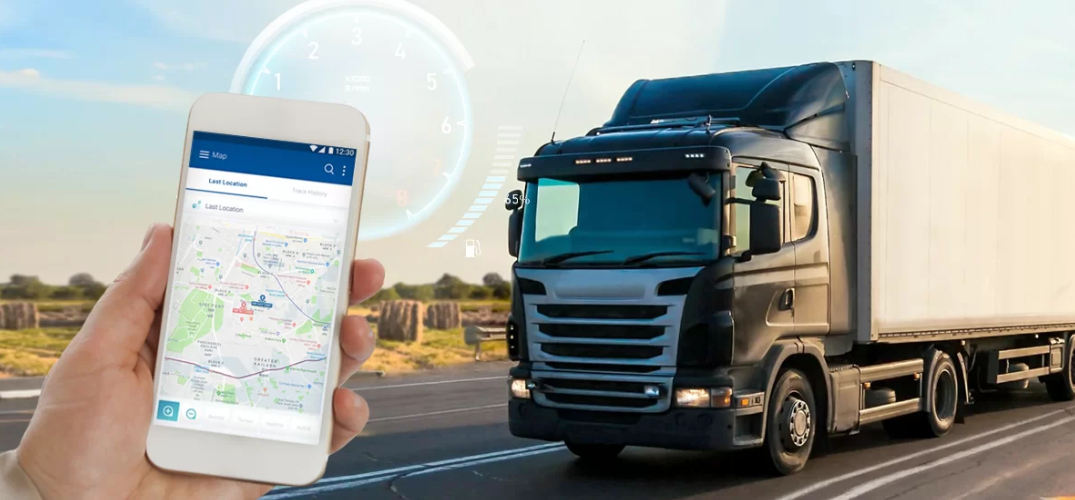
Securing cargo in transit is a cornerstone of modern logistics, especially as supply chains become more intricate. Traditional monitoring methods often fall short in preventing issues like theft, misplacement, or transit delays. To address these challenges, the combined use of GPS fleet management tracking and RFID has emerged as a groundbreaking solution. When these technologies are combined, they form a robust, comprehensive solution for protecting goods along its transit.
Logistics systems face numerous vulnerabilities that threaten efficiency and reliability:
Theft and Tampering: High-value shipments are at constant risk of criminal interference.
Mismanagement of Inventory: Relying on manual processes can lead to misplaced goods and inaccuracies in stock counts.
Unpredictable Delays: Limited visibility of cargo movement disrupts schedules, negatively affecting customer satisfaction.
To overcome these risks, businesses are adopting solutions that offer end-to-end visibility, precision, and automation. GPS and RFID technologies stand at the forefront of this transformation.
Understanding the unique roles of GPS and RFID is crucial for appreciating their combined benefits:
GPS: Real-Time Location Tracking
Continuous Monitoring: Tracks the location of cargo throughout its journey.
Optimized Routing: Identifies the most efficient delivery paths, saving time and reducing costs.
Operational Insights: Provides actionable data on shipment movements for better decision-making.
RFID: Efficient Inventory Management
Detailed Data Storage: Captures and stores key details, such as the weight, type, and destination of goods.
Fast Processing: Allows simultaneous scanning of multiple items, speeding up inventory operations.
Accurate Tracking: Ensures precise monitoring of each tagged item, reducing mismanagement.
When GPS and RFID are integrated, their combined capabilities address multiple layers of logistics challenges:
Enhanced Transparency: GPS delivers location updates in real-time, while RFID tracks specific cargo details.
Streamlined Operations: Automation reduces manual intervention, minimizing errors and increasing efficiency.
Advanced Security Features: Alerts can notify stakeholders of unauthorized access or deviations from planned routes.
For example, an electronics shipment can benefit from GPS ensuring the vehicle stays on course, while RFID tags provide detailed insights into the inventory’s condition and specifics.
The integration ensures that businesses can monitor cargo location and condition instantly, leading to more informed decisions.
RFID’s precise tracking capabilities reduce risks related to theft, loss, or inventory mismanagement.
Automated data collection eliminates human errors, ensuring more reliable records.
Reduced delays, theft, and inefficiencies lead to substantial cost savings over time.
The versatility of GPS and RFID integration allows it to be utilized at various stages of logistics operations:
Warehouse Management
Tracks the inflow and outflow of shipments for up-to-date inventory.
Reduces discrepancies by providing real-time stock visibility.
Transportation Tracking
Monitors vehicles to ensure they adhere to pre-determined routes. Sends alerts for delays or route deviations, enabling corrective actions.
Cold Chain Logistics
RFID sensors monitor critical environmental factors, such as temperature and humidity.
GPS ensures timely delivery of perishable or temperature-sensitive goods.
The integration of GPS and RFID brings advanced security protocols to logistics:
Tamper Detection: Real-time alerts signal unauthorized access or cargo tampering.
Geo-Fencing: Establishes virtual boundaries, triggering notifications if cargo exits these areas.
Data-Driven Risk Management: Historical data supports proactive strategies to minimize vulnerabilities.
While the benefits are immense, certain obstacles can hinder implementation:
High Initial Costs: Setting up infrastructure and training staff requires a significant investment.
Complex Infrastructure Needs: Reliable communication between GPS and RFID systems demands a robust technological framework.
Resistance to Adoption: Change management and lack of technical expertise can slow the transition.
Advances in technology promise even more effective integration of GPS and RFID in the future:
IoT Synergy: Internet of Things (IoT) devices will enable smarter, more interconnected supply chains.
Blockchain for Data Security: Combining GPS and RFID with blockchain technology will ensure tamper-proof record-keeping.
Improved Hardware: Next-generation RFID tags and enhanced GPS accuracy will further streamline operations.
The integration of GPS and RFID is redefining how businesses approach cargo security. By providing real-time monitoring, enhanced inventory management, and automated processes, these technologies offer a robust solution for overcoming traditional logistics challenges.
Although initial setup costs and infrastructure demands may seem significant, the long-term advantages—including cost savings, reduced theft, and operational efficiency—make it a wise investment.
As global supply chains continue to evolve, embracing GPS and RFID integration is no longer optional; it is essential for businesses aiming to stay competitive in a rapidly changing world.
Vehicle tracking and telematics provide valuable insights for fleet management, but they also raise serious privacy concerns. From data security risks to surveillance issues and third-party sharing, understanding how driver data is collected and used is essential.
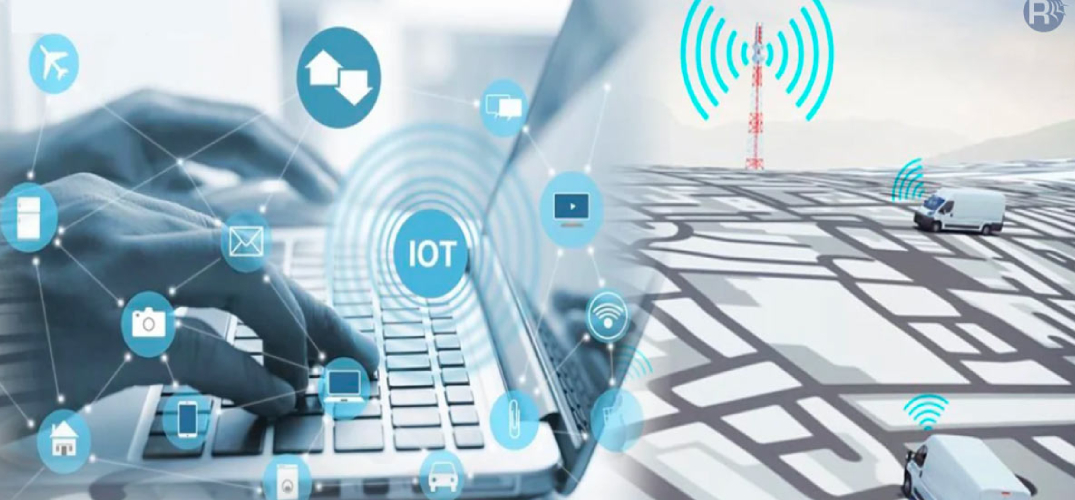
AI-powered predictive diagnostics revolutionize fleet management by detecting vehicle issues before they occur. By analyzing sensor data, AI predicts failures, optimizes maintenance schedules and reduces downtime.

At the nexus of technology, human resource management, and logistics, fleet managers oversee a complicated network of drivers, vehicles, and operating limitations. They are always pressed to maximize output while cutting expenses at a critical time of efficiency. However, a number of issues, from a lack of drivers to antiquated technology, make fleet management difficult.

All data and features are available in the mobile app for iOS and Android. Manage your vehicle online, anytime, anywhere.
We'll connect your GPS tracking system within 48 hours and offer a free 3-week trial. No risks or obligations.