
The increased need for cost control, regulatory compliance, and effective operations has made fleet management more difficult. Issues including inefficient routes, fuel theft, and vehicle maintenance frequently reduce output, raise expenses, and impact fleet performance. However, new developments in GPS monitoring technology offer practical answers that help companies overcome these obstacles. This blog examines the most pressing issues and shows how fleet management tracking systems may provide game-changing answers.
In fleet management, route planning is essential since badly designed routes can result in greater fuel use, longer delivery times, and disgruntled customers. Ineffective routes have a detrimental effect on profitability and waste resources. For example, a logistics business that uses manual route planning can have problems like traffic jams, road closures, or misunderstandings with drivers. GPS tracking devices use real-time data to enhance route planning. Sophisticated software considers variables like weather, traffic, and road limits to create the most effective routes. This guarantees on-time delivery and reduces delays.
Using GPS monitoring, a delivery business with 50 cars cut average delivery times by 25%. They reduced their gasoline expenses by more than 15% yearly by avoiding traffic jams and making the most of pauses. The worldwide fleet management market is anticipated to develop at a compound annual growth rate (CAGR) of 10.6% to reach $52.50 billion by 2030, according to research by Allied Market Research. One of the key features propelling this expansion is still route optimization.
Fuel theft is a prevalent problem in fleet management, particularly for big fleets that operate in isolated locations. Significant financial losses might result from drivers misusing business vehicles for personal purposes or siphoning off gasoline.
By measuring gasoline use in real time, GPS tracking devices aid in the fight against fuel theft. When managers see abrupt dips in gasoline levels, integrated fuel sensors warn them of possible theft. Geofencing also ensures that cars stay in approved zones, lowering the number of illegal travelers.
For instance, GPS trackers with fuel monitoring features were placed by an Indian construction business that owned a fleet of vehicles. Within six months, they found fuel theft cases and cut losses by 30%. According to recent statistics, between 30 and 40 percent of fleet operating costs are fuel-related. ABI Research found that fleet operators who use GPS devices report fuel savings of up to 20%.
Unexpected malfunctions and badly maintained automobiles result in lost time, higher repair expenses, and decreased operational effectiveness. Fleets risk increased costs and safety issues if they don’t have a proactive maintenance plan. Predictive maintenance is made possible by GPS tracking systems with telematics features. These systems track metrics, including mileage, tire pressure, and engine performance. Real-time diagnostics and planned maintenance alerts help avert expensive malfunctions.
For instance, a logistics company in the UK equipped its 200 vehicles with GPS-enabled predictive maintenance. This resulted in a 40% decrease in breakdown instances, saving the business almost £500,000 a year in repair expenses. According to Frost & Sullivan, telematics-powered predictive maintenance can save as much as 25% of fleet maintenance expenses. Businesses looking to increase vehicle longevity and save downtime increasingly follow this practice.
In addition to increasing fuel consumption, reckless driving practices, including speeding, hard braking, and idling, endanger public safety. Fleet managers need help in tracking and enhancing driver behavior.
GPS tracking devices offer up-to-date information on how drivers behave. Managers may take prompt action when they get alerts for excessive idling, forceful braking, and speeding. Reports and scorecards for drivers encourage safer driving habits, eventually lowering collisions and fuel consumption. For instance, GPS tracking was used by a US-based courier business to keep an eye on driver performance. In the first year, they improved fuel economy by 12% and decreased accidents by 20%. GPS tracking can cut down on unsafe driving practices by up to 35%, according to National Highway Traffic Safety Administration (NHTSA) research.
While overtaxing some assets might cause premature wear and tear, underutilized vehicles result in needless operating expenses. Effective fleet utilization management is frequently challenging in the absence of clear visibility. GPS tracking devices provide comprehensive insights into fleet use. Managers might examine how vehicles are used, spot underperforming assets, and reallocate resources to increase productivity.
For instance, an Australian trash management business increased fleet utilization by 20% and cut expenses by $100,000 annually using GPS data to reallocate cars more efficiently. The Fleet Management Association reports that companies that use GPS monitoring see an increase in asset utilization of 10–15%, underscoring the influence of GPS tracking on operational efficiency.
Safety requirements, emissions standards, and Hours of Service (HOS) legislation are just a few regulations fleet managers must ensure are followed. Heavy fines and harm to one’s reputation may result from noncompliance. GPS tracking devices automate compliance tracking by monitoring driver hours, emissions data, and safety procedures. These systems produce thorough reports that make it easier for companies to comply with legal obligations.
For instance, a Canadian trucking business used GPS-enabled electronic logging devices (ELDs) to achieve 100% compliance with HOS requirements, preventing penalties and increasing driver satisfaction. According to MarketsandMarkets, the ELD market is expected to grow from $13.6 billion in 2023 to $20.1 billion by 2028 as a result of stricter regulations throughout the world.
Theft of fleet equipment and vehicles frequently causes large financial losses and delays to operations. GPS tracking devices enable the prompt recovery of stolen automobiles by providing real-time position data. Geofencing technology sends notifications whenever a car leaves its assigned region to prohibit illegal usage.
For instance, a logistics business in South Africa saved $150,000 by installing GPS trackers on its fleet and recovering two stolen trucks in hours. GPS tracking is increasingly being integrated with AI-powered security systems to enhance asset protection and enable quicker reaction times.
Fleet management issues, including inefficient routes, fuel theft, vehicle upkeep, and compliance, may greatly affect operational effectiveness and financial success. GPS monitoring technology, on the other hand, provides strong answers to these problems, guaranteeing better security, proactive maintenance, fuel savings, and improved routes.
Businesses may overcome long-standing obstacles and seize fresh chances for expansion and sustainability by implementing GPS-tracking devices. AI and IoT integration will further revolutionize fleet management as technology advances, enabling companies to increase productivity, save costs, and improve customer happiness. Invest in GPS tracking to keep ahead of the competition and optimize fleet operations!
Vehicle tracking and telematics provide valuable insights for fleet management, but they also raise serious privacy concerns. From data security risks to surveillance issues and third-party sharing, understanding how driver data is collected and used is essential.
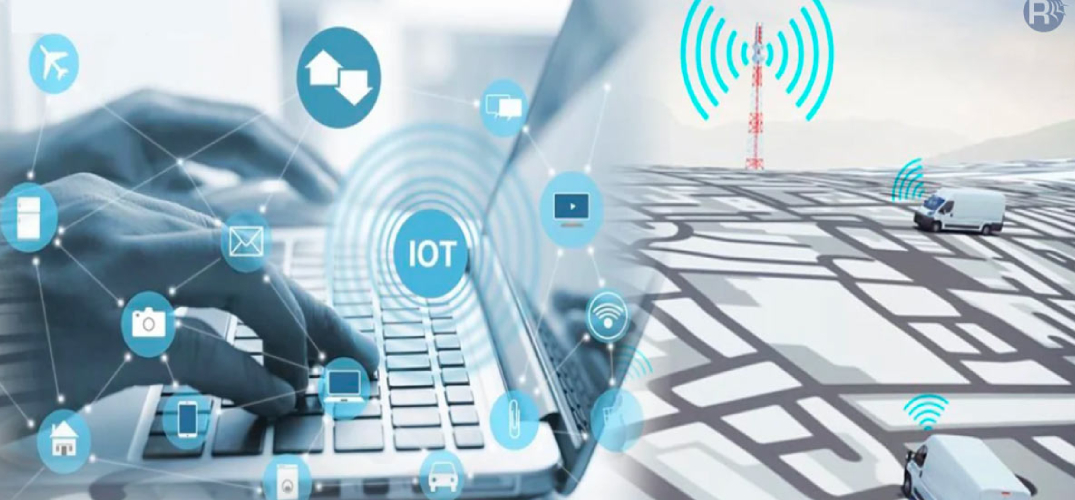
AI-powered predictive diagnostics revolutionize fleet management by detecting vehicle issues before they occur. By analyzing sensor data, AI predicts failures, optimizes maintenance schedules and reduces downtime.

At the nexus of technology, human resource management, and logistics, fleet managers oversee a complicated network of drivers, vehicles, and operating limitations. They are always pressed to maximize output while cutting expenses at a critical time of efficiency. However, a number of issues, from a lack of drivers to antiquated technology, make fleet management difficult.

All data and features are available in the mobile app for iOS and Android. Manage your vehicle online, anytime, anywhere.
We'll connect your GPS tracking system within 48 hours and offer a free 3-week trial. No risks or obligations.