
Effective fleet management has become essential for businesses that depend on transportation services in the modern corporate world. This detailed handbook will go over the technical intricacies of GPS trackers, the pivotal role of satellites in fleet management, and the various benefits these cutting-edge technologies provide to businesses.
Satellite Networking
At least 24 satellites make up the GPS system, which circles the Earth. These satellites continuously transmit signals that contain their precise locations as well as the time at which each signal was sent.
Interpretation of Signals
A GPS tracker uses trilateration, which combines signals from four or more satellites, to pinpoint its location.
Data Transmission
The tracker transmits location data to a server accessible by fleet management software through cellular networks.
Satellite Constellations
There are always a minimum of four GPS satellites in sight, all of which are in exact orbit around the planet. This constellation ensures accurate and continuous location tracking.
Transmission of Signals
Every GPS satellite constantly sends signals that include:
Distance Calculation for the Trilateration
In order to determine the distance to each satellite, the GPS tracker calculates the time it takes for signals to reach the tracker from the satellites.
Fleet management solutions give drivers complete control over their vehicles by combining software and GPS tracking. These technologies provide real-time monitoring, reporting, and analysis, which improves operational effectiveness and safety.
Crucial Components
Configuring GPS Devices
GPS trackers are widely installed in fleet automobiles. These trackers gather additional information, such as engine status, speed, and fuel use, by connecting to the car’s systems and power supply.
Data Gathering and Transmitting
Data Analysis and Processing
The fleet management software processes incoming data to offer real-time tracking, historical data analysis, and notifications for various events (e.g., speeding or unauthorized use).
Monitoring and Tracking in Real-Time
Managers have real-time access to every vehicle’s precise position.
Efficiency in Operations
Permits optimal dispatching and route planning.
Driver Behavior Monitoring
Send alerts for speeding, harsh braking, and other risky conduct.
Prevention of Theft
The prompt recovery of pilfered automobiles is facilitated by real-time tracking.
Fuel Efficiency
Fuel consumption is decreased through route optimization and monitoring.
Maintenance Scheduling
Costly repairs are avoided with prompt car maintenance alerts.
Precise ETAs
It is possible to estimate delivery times precisely using real-time tracking.
Quick Response
Swift attention to client requirements and emergencies.
Utilizing Geofencing
Fleet managers can use geofencing to define virtual boundaries on a map. An alert is activated when a car enters or exits these specified areas.
Improvement of Routes
The most fuel-efficient route can be found via fleet management software, cutting down on travel time.
Control of Drivers
Driver management features, such as training tools, driver identification, and performance tracking, enhance overall driver performance.
Connecting with Diverse Systems
A fleet management GPS tracking system can be integrated with other business applications (e.g., ERP and CRM) to provide a comprehensive view of operations.
Fleet management software and GPS trackers are necessary tools for contemporary fleet operations. They offer increased security, financial savings, real-time monitoring, and client assistance. Modern software and satellite technology can assist companies in making their transportation operations more profitable and efficient. Regardless of the size of your business, being aware of and utilizing these technologies will provide you with a competitive edge in the ever-changing fleet management industry.
Vehicle tracking and telematics provide valuable insights for fleet management, but they also raise serious privacy concerns. From data security risks to surveillance issues and third-party sharing, understanding how driver data is collected and used is essential.
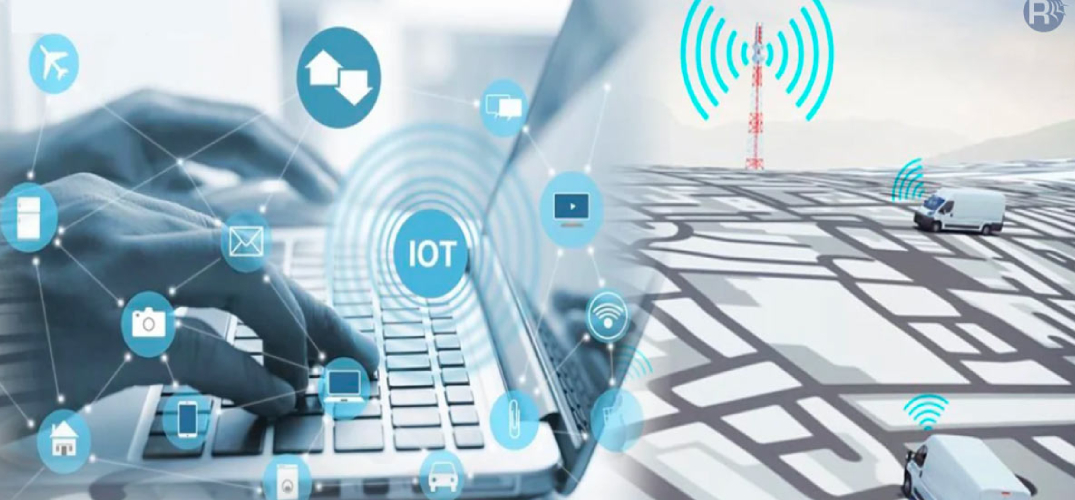
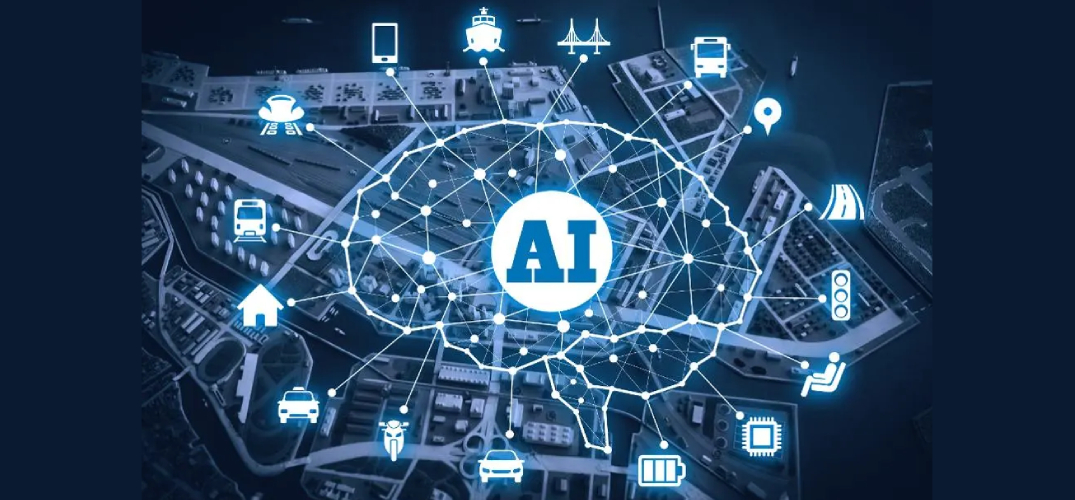
AI-powered predictive diagnostics revolutionize fleet management by detecting vehicle issues before they occur. By analyzing sensor data, AI predicts failures, optimizes maintenance schedules and reduces downtime.
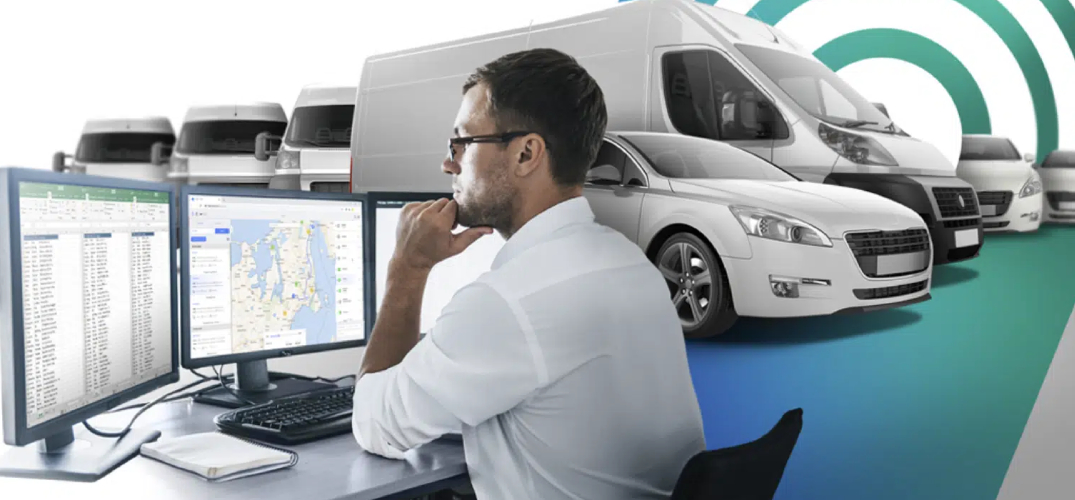
At the nexus of technology, human resource management, and logistics, fleet managers oversee a complicated network of drivers, vehicles, and operating limitations. They are always pressed to maximize output while cutting expenses at a critical time of efficiency. However, a number of issues, from a lack of drivers to antiquated technology, make fleet management difficult.
All data and features are available in the mobile app for iOS and Android. Manage your vehicle online, anytime, anywhere.
We'll connect your GPS tracking system within 48 hours and offer a free 3-week trial. No risks or obligations.