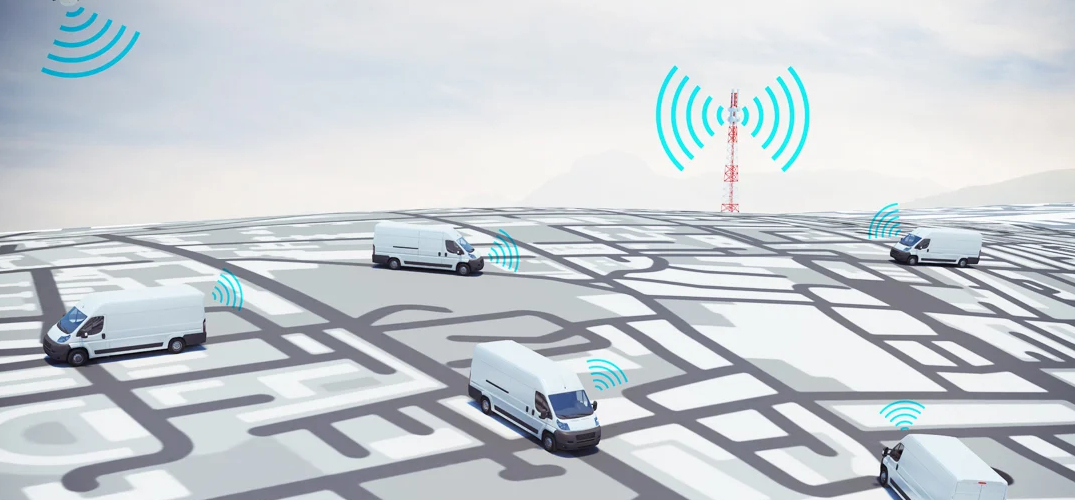
Fleet management tracking has evolved significantly from manual processes and basic tracking systems. In today’s dynamic landscape, businesses need smarter tools to ensure safety, optimize efficiency, and promote sustainability. Advanced GPS-based solutions, leveraging modern technologies like AI and IoT, are revolutionizing the way fleets are managed and monitored. This blog delves into how these innovations are reshaping driver behavior monitoring and enhancing road safety.
Conventional methods such as manual reporting or basic telematics often fail to deliver real-time insights or actionable recommendations. These limitations highlight the need for comprehensive systems that monitor, analyze, and improve driver performance seamlessly.
By integrating real-time data collection and advanced analytics, modern solutions offer fleet managers the tools to stay proactive, ensuring that every trip is efficient, safe, and reliable.
Here are some key capabilities that help businesses manage driver behavior effectively:
Round-the-clock monitoring provides up-to-date information on vehicle location and movement, ensuring that managers always know where their assets are.
Instant notifications flag risky actions like harsh braking, speeding, and sudden acceleration. This feature allows for immediate intervention to prevent accidents or costly damages.
User-friendly dashboards offer tailored metrics, enabling managers to focus on the data that matters most. Detailed reports can also help identify long-term trends and areas for improvement.
Revisiting past journeys provides a deeper understanding of driving habits, helping businesses identify and address problematic patterns.
Advanced monitoring tools do more than track vehicles; they actively encourage better driving habits. Drivers receive real-time feedback on their actions, enabling self-correction during trips.
This proactive approach reduces unsafe practices, minimizes accidents, and decreases wear and tear on vehicles. Transparent records also foster a sense of accountability, cultivating a culture of responsibility across the fleet.
AI-powered analytics allow fleet managers to identify inefficiencies and potential safety risks before they escalate. For example, frequent hard braking could signal driver fatigue or poorly planned routes. Armed with this information, managers can take preventive action to optimize operations.
By adopting a data-driven approach, businesses can ensure their fleets perform at peak efficiency while reducing risks and operational costs.
Encouraging long-term behavioral changes can be challenging. Gamification offers a solution by rewarding safe driving with points, recognition, or tangible incentives. Leaderboards create healthy competition among drivers, motivating them to maintain high safety standards.
This innovative approach not only engages drivers but also fosters sustainable improvements in driving habits.
Modern fleet management solutions are designed to work harmoniously with existing business tools, including ERP and CRM platforms. Custom APIs allow businesses to tailor the system to their specific needs, ensuring a streamlined and unified operational ecosystem.
Optimized driving practices do more than improve safety and reduce costs—they also contribute to environmental sustainability. By minimizing fuel consumption and emissions, businesses align with global climate goals while boosting their bottom line.
Promoting eco-friendly driving habits creates a win-win scenario, benefiting both the environment and operational efficiency.
The future of fleet management lies in leveraging cutting-edge tools that go beyond traditional dashboards. Advanced monitoring systems not only improve safety and efficiency but also promote sustainability, making them indispensable for modern businesses.
By adopting these innovative solutions, fleet managers can drive smarter operations, safer roads, and a greener future—ensuring their fleets remain competitive in a rapidly evolving world.
UAE’s Personal Data Protection Law (PDPL) applies to fleet-tracking data when it can be linked to individual drivers or employees. For UAE fleet operators this is non-optional: you process location, driver identity, and behavioural data daily. This guide explains what PDPL requires in 2026, what your tracking provider should offer, and the specific contract clauses […]

Rental car fleets in Dubai sit under a stricter compliance regime than general commercial fleets. SIRA (Security Industry Regulatory Agency) requires approved tracking on every rental vehicle, and the paperwork cannot be hand-waved. This guide explains what SIRA actually requires in 2026, what features rental fleets need beyond compliance, and how we deliver it end-to-end. […]

Indoor asset tracking for warehouses, cross-docks, and 3PL in Dubai. BLE, UWB, mesh positioning. Hybrid outdoor + indoor. Integration with WMS/ERP.

All data and features are available in the mobile app for iOS and Android. Manage your vehicle online, anytime, anywhere.
We'll connect your GPS tracking system within 12–24 hours* and offer a free 3-week trial. No risks or obligations.