
At the nexus of technology, human resource management, and logistics, fleet managers oversee a complicated network of drivers, vehicles, and operating limitations. They are always pressed to maximize output while cutting expenses at a critical time of efficiency. However, a number of issues, from a lack of drivers to antiquated technology, make fleet management difficult. Here, we examine the most important issues pertaining to productivity and how fleet management tracking technology might provide workable answers.
One of the most critical issues fleet managers face today is a shortage of skilled drivers. According to the American Trucking Association (ATA), the U.S. trucking industry alone faces a shortage of approximately 80,000 drivers, a number that could double by 2030. The problem is compounded by:
Aging workforce: The average age of truck drivers is 47, with fewer younger professionals entering the industry.
Regulatory limitations: Hours of Service (HOS) regulations restrict driving time, creating scheduling constraints.
High turnover rates: The trucking industry reports turnover rates exceeding 90% in some segments, leading to frequent operational disruptions.
Solution: Fleet managers can improve driver retention by implementing fleet management tracking systems to monitor workload, optimize schedules, and enhance driver satisfaction with automated route planning.
Fuel expenses account for nearly 60% of a fleet’s operating costs, making it a significant productivity challenge. With fuel prices fluctuating due to geopolitical and economic factors, fleet managers struggle to maintain cost predictability. Factors contributing to fuel inefficiency include:
Excessive idling: A truck can burn up to 0.8 gallons of fuel per hour while idling.
Suboptimal routing: Poor route planning leads to unnecessary mileage and fuel consumption.
Unauthorized fuel usage: Fuel theft and inefficient purchasing practices contribute to excessive costs.
Solution: Advanced fleet management tracking solutions integrate fuel monitoring tools, real-time GPS tracking, and AI-powered route optimization, reducing unnecessary mileage and enhancing fuel efficiency.
Unexpected vehicle breakdowns are among the biggest productivity killers in fleet management. According to industry reports, unscheduled maintenance costs fleets four to five times more than preventive maintenance. Common causes of downtime include:
Neglected preventive maintenance: Failure to adhere to routine service schedules leads to breakdowns.
Parts shortages: Supply chain disruptions result in long lead times for replacement parts.
Reactive maintenance culture: Many fleet managers still operate on a reactive maintenance model, increasing downtime.
Solution: Fleet management tracking-powered predictive maintenance enables real-time vehicle diagnostic monitoring, warning managers of possible problems before they become more serious. Using historical data, AI-driven analytics can also assist in predicting maintenance requirements.
Fleet managers must navigate an intricate web of compliance requirements, including:
Solution: Fleet management tracking solutions offer automated compliance tracking, integrating ELDs, telematics, and reporting tools that simplify audits and reduce manual recordkeeping.
With the advent of digital transformation, fleet managers have access to an overwhelming amount of data from telematics, GPS, fuel tracking, and driver behavior monitoring. However, many struggle to extract actionable insights from this data, leading to:
Solution: AI-driven analytics tools within fleet management tracking software consolidate data into meaningful dashboards, providing real-time insights into vehicle utilization, cost efficiency, and driver performance.
Suboptimal route planning contributes to delivery delays, increased fuel consumption, and driver fatigue. The inefficiencies arise due to:
Traffic congestion: Delays caused by unpredictable urban congestion.
Inefficient load distribution: Poor planning of cargo loads results in fuel waste and vehicle strain.
Last-mile delivery issues: The rise of e-commerce has put immense pressure on fleet operations to streamline last-mile delivery.
Solution: AI-powered fleet management tracking uses machine learning to optimize routes dynamically, considering factors like traffic, weather, and load distribution. Real-time tracking allows managers to reroute vehicles instantly, reducing delays.
Insurance premiums for commercial fleets have surged by 25-30% in recent years, largely due to:
Solution: Implementing fleet management tracking with dash cams, AI-based driver monitoring, and automated risk assessments can significantly reduce accident rates and fraudulent claims, leading to lower insurance premiums.
Vehicle tracking and telematics provide valuable insights for fleet management, but they also raise serious privacy concerns. From data security risks to surveillance issues and third-party sharing, understanding how driver data is collected and used is essential.
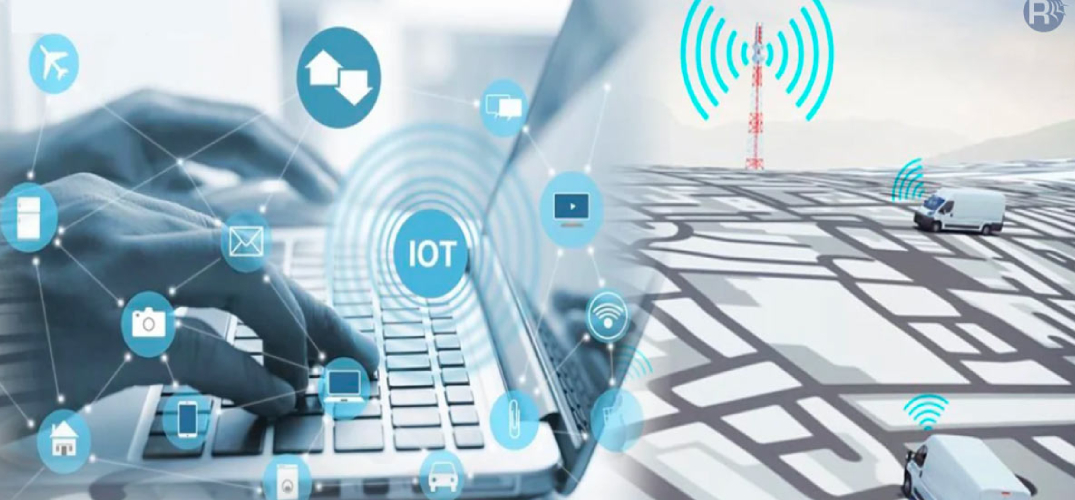
AI-powered predictive diagnostics revolutionize fleet management by detecting vehicle issues before they occur. By analyzing sensor data, AI predicts failures, optimizes maintenance schedules and reduces downtime.
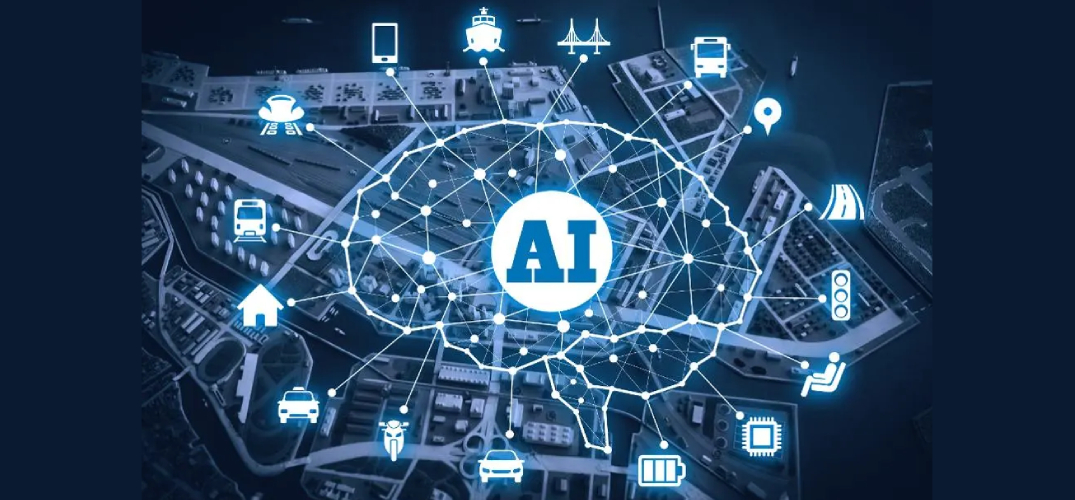
Companies that adopt data-driven fleet management strategies experience lower maintenance costs, increased uptime, and higher operational efficiency. Don’t let downtime disrupt your business—embrace smart fleet management.

All data and features are available in the mobile app for iOS and Android. Manage your vehicle online, anytime, anywhere.
We'll connect your GPS tracking system within 48 hours and offer a free 3-week trial. No risks or obligations.