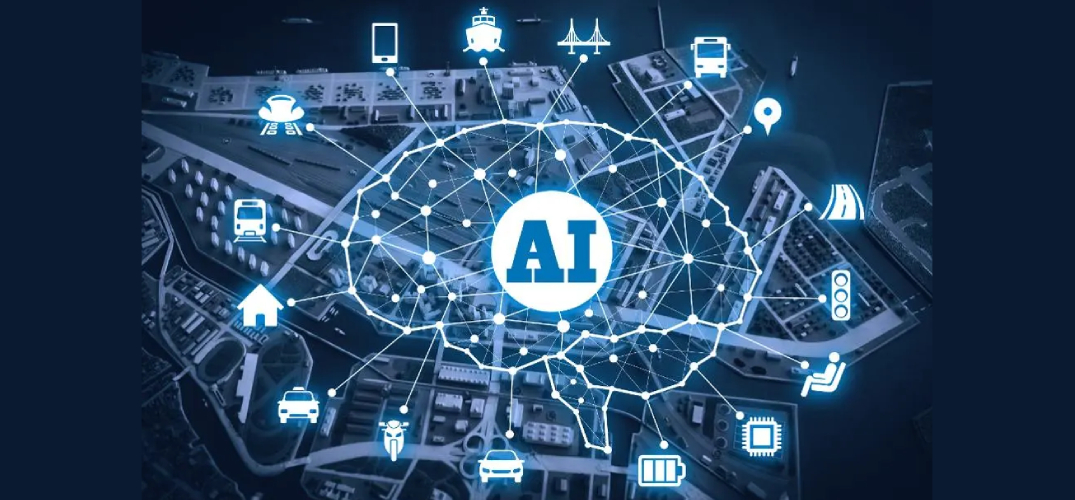
Managing a fleet can be quite a journey! It involves keeping a close eye on the condition of your vehicles, planning for technical maintenance, and making sure everything runs smoothly. We know that traditional maintenance methods—like waiting for something to go wrong or sticking to a strict schedule—can sometimes lead to unwelcome surprises, extra costs, and unexpected downtime. But here’s the good news: with the rise of predictive diagnostics powered by artificial intelligence (AI), fleet managers now have the ability to spot potential issues before they arise. This proactive approach not only boosts the reliability of your vehicles but also helps cut down on operational costs and enhances overall efficiency, making fleet management tracking a bit easier.
Data Collection
AI systems collect data from sensors in the vehicle, telematics, GPS, and diagnostic tools.
Includes parameters of engine operation, fuel consumption, tire pressure, braking system, battery condition, and temperature.
Processing and Data Analysis
Advanced AI algorithms process vast amounts of data, identifying patterns and correlations that indicate possible malfunctions.
Machine learning models use historical repair records and sensor data to improve forecast accuracy.
Failure Prediction and Notifications
AI detects early signs such as abnormal engine vibrations, temperature surges, or a decrease in battery voltage.
Fleet managers receive real-time notifications via dashboards or mobile applications, allowing them to respond in time.
Automatic Planning of Technical Maintenance
Based on AI recommendations, the service schedule is adjusted automatically to minimize downtimes.
Service intervals are optimized so that maintenance is performed only when necessary rather than on a fixed schedule.
Early detection of problems allows planning maintenance during non-working hours, avoiding unexpected breakdowns.
This increases vehicle uptime and improves logistics processes.
Preventing major mechanical failures helps avoid costly emergency repairs.
AI prevents unnecessary replacement of parts, which extends the lifespan of components and reduces expenses.
AI helps maintain optimal vehicle conditions, reducing the risk of accidents due to technical failures.
Fleets can monitor compliance with safety requirements, avoiding fines and legal risks.
AI analyzes driving style, tire pressure, and engine operation, helping reduce fuel consumption.
Identifying inefficient processes reduces fuel losses and lowers operational costs.
AI provides analytical data, allowing fleet managers to make informed decisions about replacement, decommissioning, or upgrading of vehicles.
Routes and load distribution are optimized, increasing the efficiency of transportation.
Development and implementation of AI solutions require investments in IoT sensors, cloud storage, and software.
For small fleets, the cost may become a barrier.
Fleets use vehicles from different manufacturers, which have various sensor systems and data formats.
Integrating information into a single AI platform can be a complex task.
Supporting AI solutions requires knowledge in data analysis, machine learning, and working with algorithms.
Companies need to train employees or hire specialists in AI operations.
The effectiveness of AI depends on the completeness and accuracy of incoming data.
Poor data quality or sensor failures can lead to incorrect forecasts and wrong decisions.
With the development of technologies, predictive maintenance based on AI is becoming increasingly accurate. Key promising directions:
Digital twins are virtual copies of vehicles, allowing testing of various scenarios and predicting failures.
Edge AI allows sensors to analyze information locally without the need to transfer data to the cloud, which speeds up decision-making.
As self-driving cars emerge, predictive maintenance will become a key element of their safe operation.
Blockchain will provide protection of information about technical conditions, mileage, and repairs, preventing data falsification.
In the future, vehicles will be able to independently adapt to minor malfunctions, adjusting system operations without human intervention.
Vehicle tracking and telematics provide valuable insights for fleet management, but they also raise serious privacy concerns. From data security risks to surveillance issues and third-party sharing, understanding how driver data is collected and used is essential.
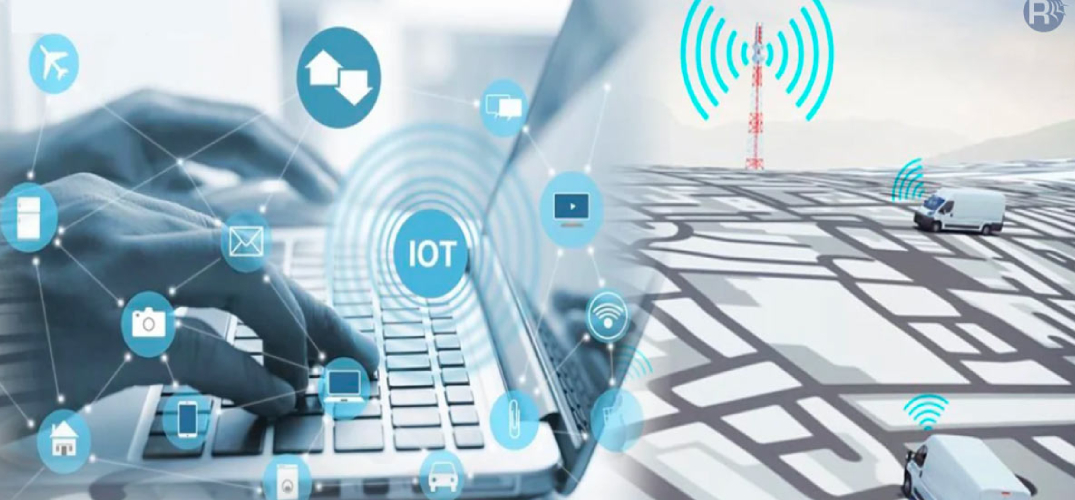
At the nexus of technology, human resource management, and logistics, fleet managers oversee a complicated network of drivers, vehicles, and operating limitations. They are always pressed to maximize output while cutting expenses at a critical time of efficiency. However, a number of issues, from a lack of drivers to antiquated technology, make fleet management difficult.

Companies that adopt data-driven fleet management strategies experience lower maintenance costs, increased uptime, and higher operational efficiency. Don’t let downtime disrupt your business—embrace smart fleet management.

All data and features are available in the mobile app for iOS and Android. Manage your vehicle online, anytime, anywhere.
We'll connect your GPS tracking system within 48 hours and offer a free 3-week trial. No risks or obligations.