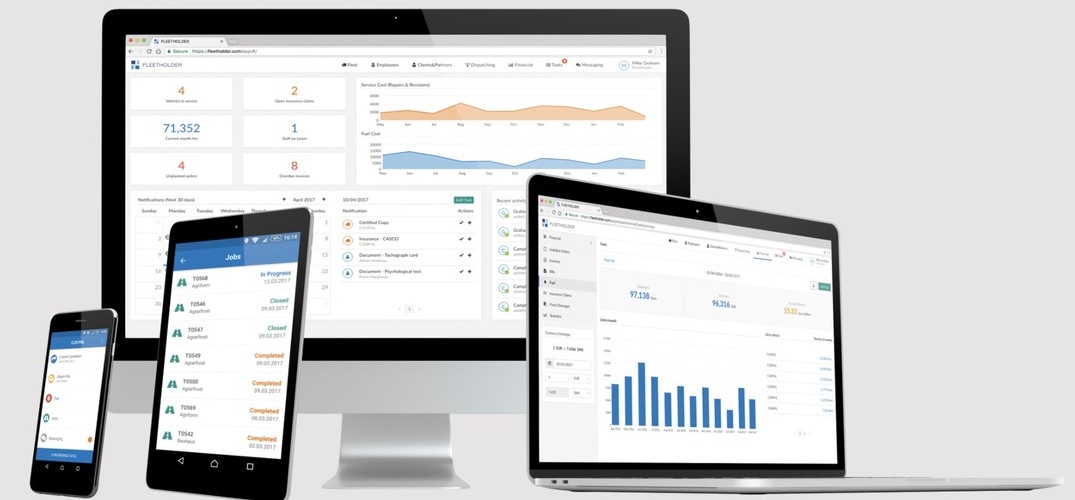
Fleet management has evolved into a more data-driven environment, partly because of technological improvements in GPS. However, these technologies’ full potential won’t be apparent until the data they produce is arranged in an understandable and useful way. This shift is greatly aided by human-centered design (HCD), which focuses on developing interfaces that are simple to use and efficient for fleet managers and drivers alike. This article examines the fundamentals of human-centered design for fleet management interfaces, as well as technical dashboard design concerns and case studies of businesses that have effectively applied these strategies.
The requirements, preferences, and constraints of end users are given top priority throughout the whole design process by human-centered design. This refers to developing user-friendly, aesthetically pleasing interfaces that offer insights that may be put to use in fleet management. Companies who engage in user experience (UX) design find reduced costs for client acquisition, lower costs for customer support, higher rates of customer retention, and higher market shares, according to research by Forrester Research. These advantages translate into increased driver satisfaction, improved choice-making, and efficiency in operation for fleet management systems.
Gaining knowledge via surveys, interviews, and observation on the requirements, habits, and pain areas of the users. As an illustration, ride-along with drivers may be used to see how they interact with the systems as they are now and pinpoint areas that need improvement.
Generating several prototypes and refining them in response to user input. As an illustration, create wireframes for the fleet management dashboard and test them on a limited number of fleet managers to get their input.
Ensuring that users of different technical skill levels may easily use the UI. Including big, simple-to-click buttons and succinct, understandable text on the dashboard.
Arranging data such that the most crucial information is found quickly and is prioritised. Emphasize important warnings and status updates on the dashboard by using color coding and size differential.
Technical concerns for developing a user-friendly fleet management interface include the following:
Combining data from several sources (telematics, GPS tracking device for fleet management, and maintenance records) into a single platform. Ensuring that the fleet’s current state is reflected in real-time updates on the dashboard. Using WebSocket or other comparable real-time communication protocols to update the user interface and using APIs to retrieve data from various sources.
Enabling users to alter their dashboards to suit their own requirements and tastes. Giving fleet managers the ability to select which reports and KPIs are shown prominently is one example. Constructing user-customizable, modular dashboard components that are rearranged.
Making sure the mobile device interface is user-friendly and responsive for drivers who want information access while driving. Creating a dashboard version that is optimized for mobile devices and has a more straightforward layout for smaller screens. Using mobile-first design principles or responsive design frameworks such as Bootstrap.
Putting in place tools that let consumers give interface-based feedback directly. For instance, including a support chat facility and adding a “Send Feedback” button. Including live chat APIs and customer feedback systems.
Leading provider of fleet management and telematics systems, Geotab, has given human-centered design first priority while developing their interfaces. They carried out a great deal of user research to comprehend fleet managers’ and drivers’ demands, and the end product was a highly configurable dashboard.
Because of their platform’s easy design, Geotab estimates a 25% improvement in user satisfaction and a 30% decrease in time spent on administrative duties.
Fleet Complete’s fleet management systems offer a smooth user experience thanks to the integration of human-centered design concepts. Throughout the design process, they included feedback from fleet managers and drivers in order to make the interface visually appealing and intuitive.
Fleet Complete has observed a 15% rise in driver involvement and policy compliance, along with a 20% boost in operational efficiency.
Another well-known participant in the fleet management market, Samsara, has improved the usability of their platform by utilizing human-centered design. A highly efficient and user-friendly fleet management system has been developed by Samsara through constant iteration based on feedback and end-user involvement in the design process.
Because of the effective and user-friendly design of their products, Samsara estimates a 28% improvement in fleet productivity and a 22% reduction in fuel usage.
Effective fleet management interfaces that improve operational effectiveness and driver happiness must be designed with human-centered design principles in mind. Businesses may create user-friendly, actionable dashboards that offer real-time data and enhance decision-making by concentrating on the requirements and preferences of their users. When creating these interfaces, technical factors like data integration, customization, mobile compatibility, and user feedback are essential. Human-centered design ideas have been effectively applied by businesses, including Geotab, Fleet Complete, and Samsara, leading to notable gains in operational effectiveness and user pleasure. A focus on human-centered design will be essential to maximizing GPS technology’s potential and propelling future advancements as the fleet management sector develops.
Vehicle tracking and telematics provide valuable insights for fleet management, but they also raise serious privacy concerns. From data security risks to surveillance issues and third-party sharing, understanding how driver data is collected and used is essential.
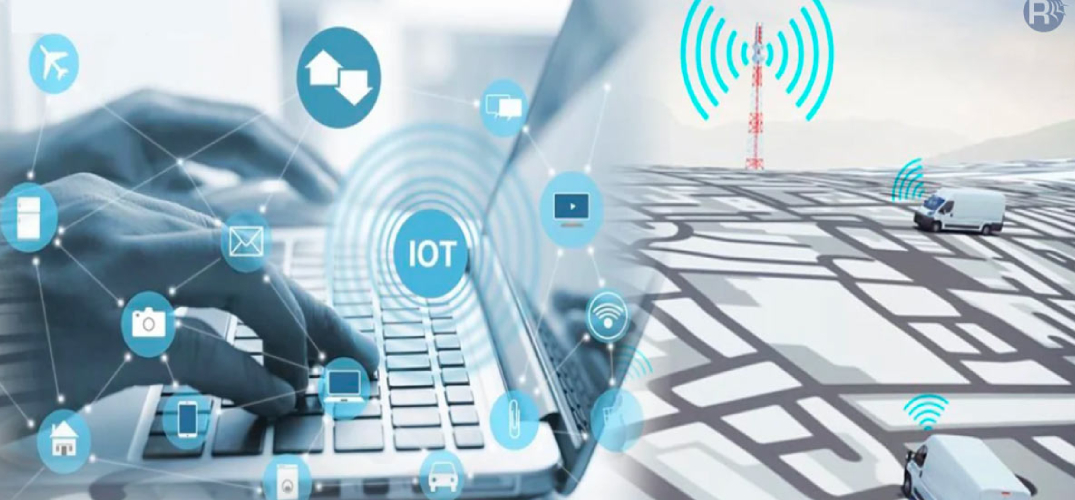
AI-powered predictive diagnostics revolutionize fleet management by detecting vehicle issues before they occur. By analyzing sensor data, AI predicts failures, optimizes maintenance schedules and reduces downtime.
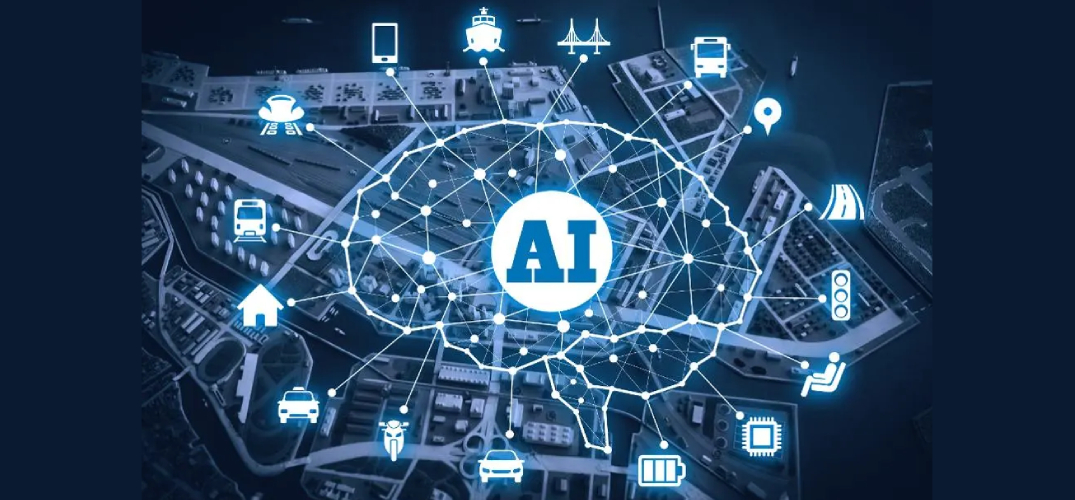
At the nexus of technology, human resource management, and logistics, fleet managers oversee a complicated network of drivers, vehicles, and operating limitations. They are always pressed to maximize output while cutting expenses at a critical time of efficiency. However, a number of issues, from a lack of drivers to antiquated technology, make fleet management difficult.
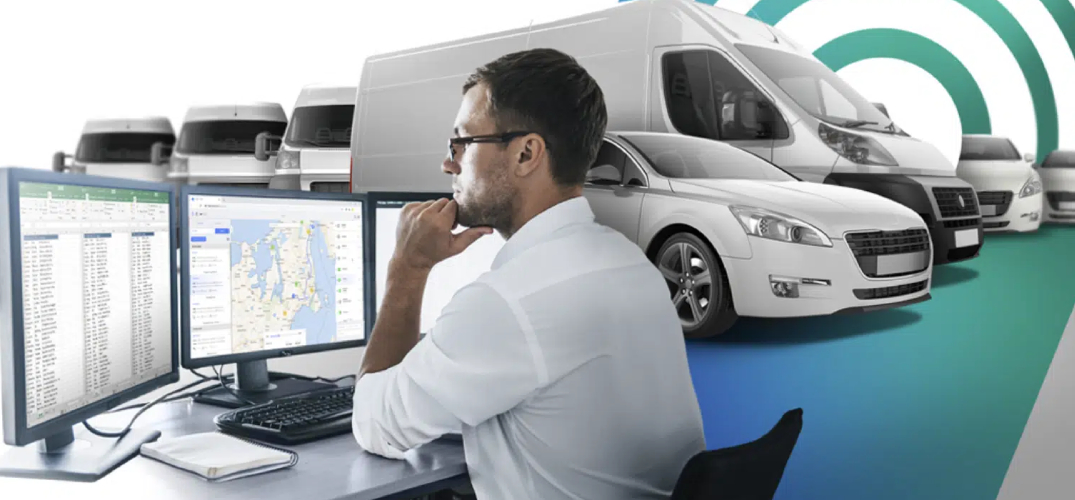
All data and features are available in the mobile app for iOS and Android. Manage your vehicle online, anytime, anywhere.
We'll connect your GPS tracking system within 48 hours and offer a free 3-week trial. No risks or obligations.