
For businesses relying on fleets, effective fuel management is critical to maintaining profitability and operational efficiency. However, the rising issue of fuel theft poses a significant threat to industries such as logistics, transportation, construction, and agriculture. These losses not only strain financial resources but also disrupt workflows and compromise the reliability of operations.
To combat these challenges, smart GPS fleet management solutions are emerging as a game-changer. These advanced systems offer real-time tracking, monitoring, and alert features that can effectively prevent fuel theft and enhance fleet management.
Fuel theft manifests in several ways, each creating unique challenges for businesses:
Driver Siphoning: Drivers may siphon fuel for personal use or resale, making it difficult to detect without robust monitoring systems.
Unauthorized Vehicle Usage: Company vehicles used for personal errands or side jobs lead to unaccounted fuel consumption.
Tampering with Fuel Systems: Thieves may manipulate or damage fuel sensors to hide theft, further complicating detection.
The financial impact of fuel theft is significant:
Increased Operational Costs: Fuel theft directly inflates costs, leaving businesses with higher expenses and lower margins.
Disruption in Logistics and Delivery Schedules: Unauthorized fuel loss can lead to unplanned delays, affecting customer satisfaction and revenue.
Difficulty in Detection: Without proper monitoring, proving and addressing theft becomes nearly impossible, leaving businesses vulnerable to recurring losses.
Smart GPS systems offer a suite of tools to address these challenges effectively:
Continuous monitoring of vehicle location enables businesses to identify unauthorized usage or deviations from planned routes promptly.
Integration with fuel sensors provides accurate data on fuel consumption and levels. Immediate alerts for sudden drops in fuel levels signal potential theft or leakage.
Businesses can define geographic boundaries for vehicles and receive alerts if a vehicle exits its designated area, indicating unauthorized use.
Comprehensive reports on fuel usage patterns help identify discrepancies and track theft trends over time.
Tracking idle times, harsh driving, and unauthorized stops adds a layer of accountability to fleet operations.
Notifications for attempts to bypass or damage GPS devices ensure that any sabotage is quickly identified and addressed.
Businesses can cut their operational costs by decreasing fuel waste and theft. Improved route optimization and vehicle usage.
Smart GPS solutions optimize routes and minimize unauthorized vehicle usage, ensuring better resource allocation.
Real-time monitoring fosters greater transparency in driver and vehicle management, holding everyone accountable.
Insights from fuel consumption patterns allow businesses to make informed decisions, such as adjusting routes or improving vehicle maintenance.
Knowing that advanced monitoring systems are in place discourages theft, promoting a culture of honesty and responsibility.
To maximize the effectiveness of smart GPS solutions, businesses should consider the following steps:
Ensure the GPS systems are compatible with your fleet’s vehicle types and fuel systems.
Educate team members on the importance of these systems and how to use them effectively.
Analyze reports and set actionable KPIs (Key Performance Indicators) for continuous improvement in fleet management.
Work with reputable GPS solution providers to ensure reliable services, maintenance, and support.
Fuel theft prevention is no longer a luxury; it is a must-have for businesses looking to protect their assets and stay competitive. Smart GPS solutions manage fuel theft in a proactive and efficient manner, providing real-time monitoring, thorough data analysis, and rapid alarms to reduce risks.
Businesses that implement these technologies can not only protect their bottom line, but also develop a culture of transparency, efficiency, and innovation. The long-term benefits of using smart GPS solutions greatly surpass the initial expenditure, making them a must-have tool in modern fleet management.
Vehicle tracking and telematics provide valuable insights for fleet management, but they also raise serious privacy concerns. From data security risks to surveillance issues and third-party sharing, understanding how driver data is collected and used is essential.
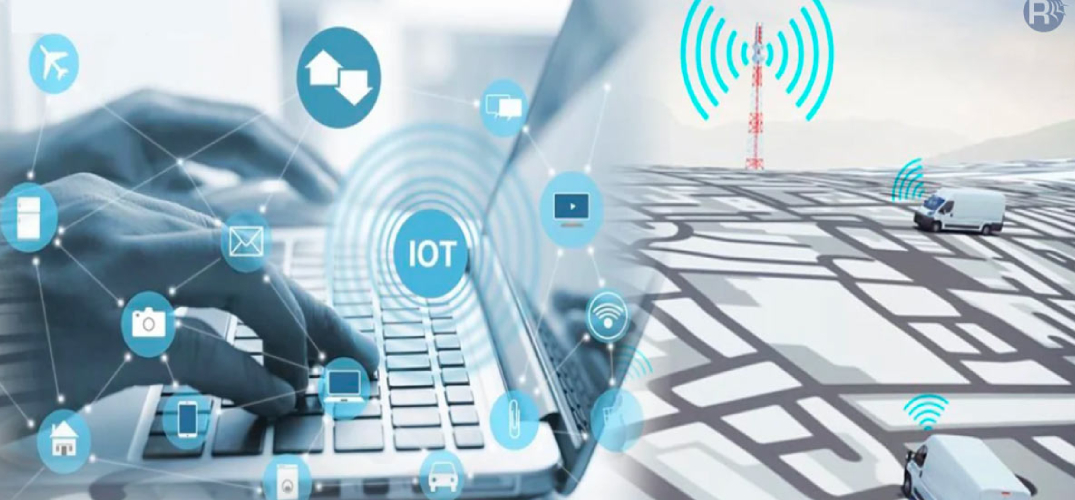
AI-powered predictive diagnostics revolutionize fleet management by detecting vehicle issues before they occur. By analyzing sensor data, AI predicts failures, optimizes maintenance schedules and reduces downtime.

At the nexus of technology, human resource management, and logistics, fleet managers oversee a complicated network of drivers, vehicles, and operating limitations. They are always pressed to maximize output while cutting expenses at a critical time of efficiency. However, a number of issues, from a lack of drivers to antiquated technology, make fleet management difficult.
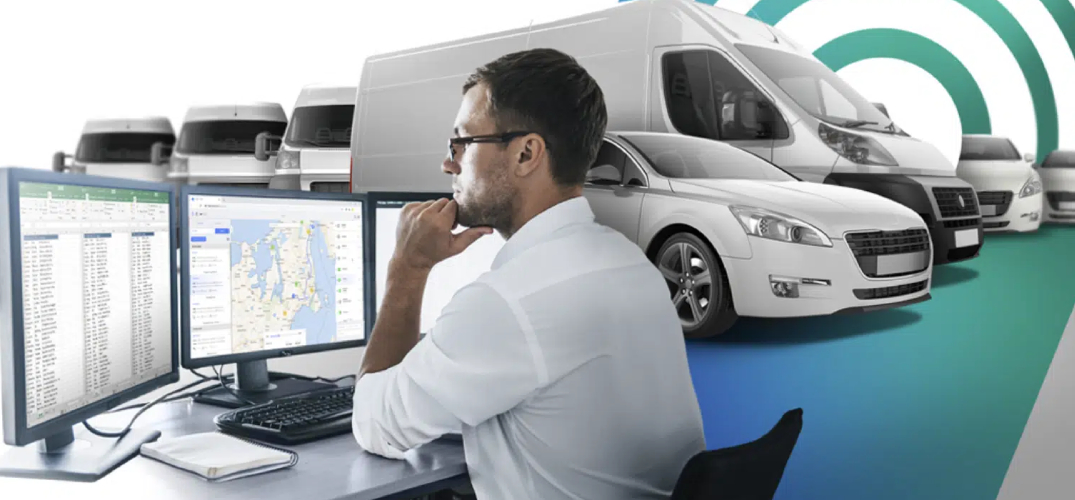
All data and features are available in the mobile app for iOS and Android. Manage your vehicle online, anytime, anywhere.
We'll connect your GPS tracking system within 48 hours and offer a free 3-week trial. No risks or obligations.